Lane Splitting in Quebec: A Good Idea?

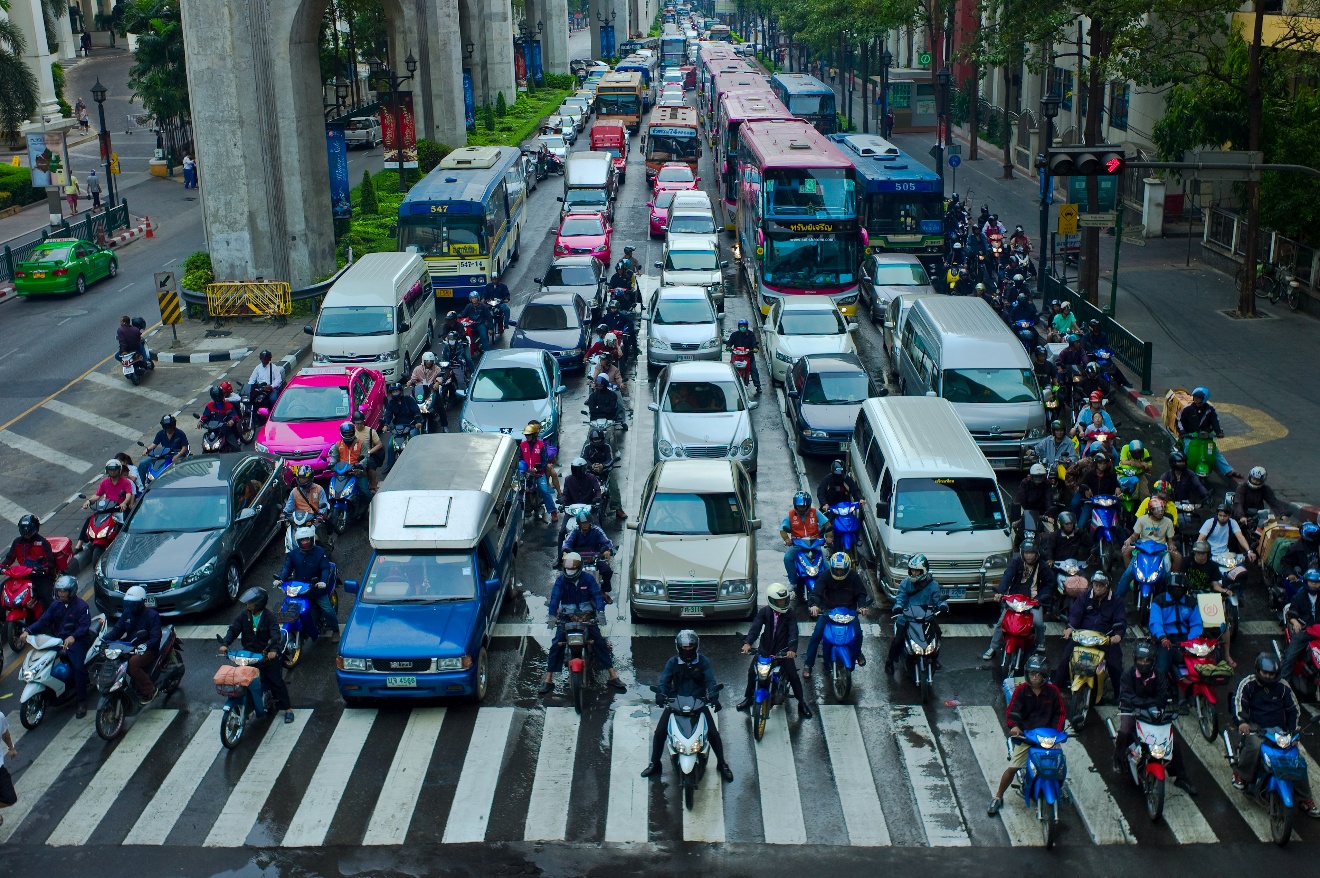
Anyone who has ever spent a hot late-summer afternoon stuck on the Décarie Expressway or the Champlain Bridge knows that feeling of utter helplessness. Around you, heat radiates off the pavement. Radiators strain, drivers glued to their phones brake at the very last second, and you, sandwiched between a three-ton SUV and a pickup truck, are left genuinely wondering what on earth you’re doing there.
In those moments, a quick glance in the rearview mirror sends a chill down your spine. On a motorcycle, the ultimate dread doesn’t always come from ahead; it comes from that distracted driver closing in way too fast from behind. Yet a simple, logical, and proven solution exists almost everywhere else on the globe: lane splitting. Here at home, however, the mere phrase continues to give authorities cold sweats.
A Matter of Vocabulary… and Judgment
Before making drivers’ hair stand on end, let’s set the record straight. There is a world of difference between a reckless rider weaving at 120 km/h between two semi-trucks and a cautious rider filtering smoothly at 20 km/h down the middle of two rows of cars stopped at a red light.
Crucially, a key distinction must be made between lane splitting (riding between moving vehicles) and lane filtering (moving at low speed between stopped vehicles).
While in Quebec and the rest of Canada the Highway Safety Code continues to treat us as if we take up the same footprint as a Ford F-150, the rest of the world has moved on. California legalized the practice years ago. Several US states (like Utah and Arizona) allow filtering at intersections. And across Europe—from France to Belgium—watching a motorcycle gently filter to the front of a red light is as routine as putting on a turn signal.
What the Numbers Say (and What Skeptics Ignore)
The knockout argument against lane splitting has always been safety. “It’s too dangerous,” we’re constantly told. But dangerous for whom, exactly?
In 2015, the University of California, Berkeley published a landmark study analyzing nearly 6,000 motorcycle accidents. The findings hit critics like a bombshell: riders who lane split are significantly less likely to be rear-ended than those who sit dutifully trapped in traffic. They also suffer fewer severe head traumas and chest injuries.
The secret to success isn’t magic; it’s speed differential. As long as the rider doesn’t exceed the flow of traffic by more than 20 to 25 km/h, the risk drops dramatically.
By removing motorcycles from line-ups, we free up road space for everyone, prevent engines from overheating (especially air-cooled ones), and, above all, pull vulnerable riders out of the crash zone during sudden braking. It’s pure logistical common sense.
What If We Opened Transit Lanes?
The conversation shouldn’t stop at the white lines dividing our travel lanes. What about bus and carpool corridors that sit largely empty for broad stretches of the day while regular lanes suffocate?
In the United States, federal law settled this long ago: a solo motorcycle has the legal right to use HOV (carpool) lanes on interstate highways. The objective is clear: get riders out of harm’s way by removing them from heavy traffic. Across the Atlantic, London pushed the envelope further by allowing two-wheelers into urban bus lanes. The result after years of testing? Increased safety for riders and no measurable delay to bus schedules.
Granted, in dense urban settings, sharing space demands extra caution, particularly where bus lanes overlap with bike lanes or at intersections where cars turn right. But dismissing the idea out of hand without so much as testing it stems more from dogma than smart mobility planning.
Shifting Mindsets
Beyond the law, the real hurdle in Quebec remains cultural. All too often, seeing a motorcycle filtering past stopped traffic sparks resentment from drivers, as if the rider were “cheating” their turn in line.
It’s time to realize that a moving motorcycle isn’t taking anyone’s space. Every rider filtering at a red light is one less car sitting in front of you when the light turns green.
Regulating lane filtering with clear rules and a smart public awareness campaign isn’t about giving riders special privileges: it’s a modern safety initiative that benefits the entire road network. It might just be time for our lawmakers to step out of the passenger seat and take a clear look at what’s happening on the ground.
Source: University of California, Berkeley study on motorcycle lane splitting and safety (2015, PDF).