Planning a Motorcycle Trip: My Tips and Checklist
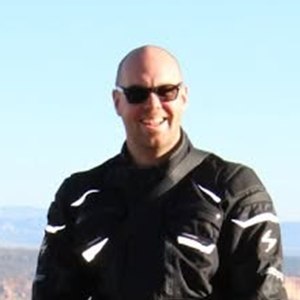
I’ve been riding since 2001 and I’m past 200,000 kilometres, mostly around North America. And you know what? I still forget stuff! The difference is that today, what I forget doesn’t ruin a trip anymore. Here’s what I check before every departure, whether it’s a weekend in the Gaspé or three weeks in the American West.
A realistic route
Riding solo, I sometimes cover 1,000 to 1,500 km in a day. But let’s be honest: that’s not a vacation, that’s a marathon! In a group, with stops to eat and take pictures, 300 to 400 km is already a good day. I also plan a “nothing” day every four or five days. Rain, a flat tire or falling for a small town happens to everybody.
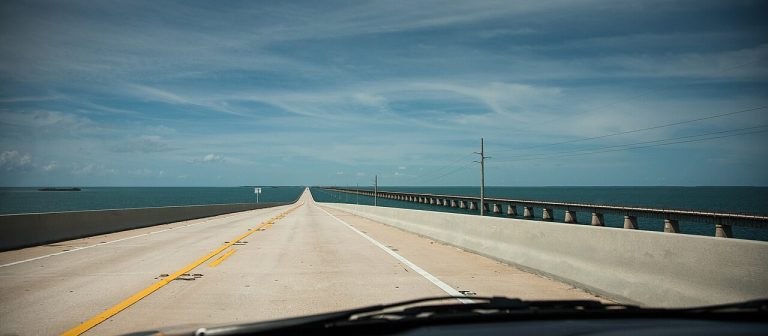
On remote roads (Route 389 to Fermont, Quebec’s Lower North Shore, parts of Nevada), gas stations are few and far between. I know my bike’s range and I fill up as soon as I hit half a tank. I also download offline maps to my GPS and phone, because cell coverage doesn’t reach everywhere.
For lodging, I book at least the first and last nights. In high season or during a big motorcycle rally, I book everything. Sleeping in a sketchy motel at 11 p.m. because everything else is full? I did it once. Once was enough!
The bike: service it two weeks before, not the night before
I get my bike serviced two weeks before leaving. If the shop finds a problem, there’s time to order the part. The night before is too late.
Tires matter most. If they don’t have enough tread left for the whole trip, I replace them before I go. Finding the right tire in the middle of South Dakota is expensive and costs you a day. I also check the brakes, oil, chain or belt, battery and every light.
In my cases, I always carry a tire plug kit with a small compressor, my bike’s basic tools, a few fuses and some zip ties (they’ve saved more than one trip!).
Paperwork: the boring part, but the most important
Licence, registration, proof of insurance and passport go without saying. But a few details often slip through the cracks.
Liability insurance. In Quebec, the legal minimum is $50,000. If you cause an accident in the U.S., that’s not much. CAA-Quebec recommends $1 to $2 million when riding outside the province. Other provinces have their own minimums, so check yours. A quick call to your insurer before you leave is all it takes.
The U.S. border. By land, you need a valid passport or a NEXUS card. If you stay in the U.S. for 30 days or more, a registration rule has applied since 2025 to Canadians entering by land. The easiest way to comply is to apply for your I-94 online before you go, on the official U.S. Customs website.
International Driving Permit. In the U.S., your Canadian licence is enough, even in Georgia, which dropped its requirement for licences in French. If you ride outside Canada and the U.S., many countries require one, and rental companies often ask for it (I cover this in my post on renting a motorcycle abroad). At CAA-Quebec, it costs $32 in person, you need two passport-style photos, and it’s valid for one year. You don’t have to be a member. Outside Quebec, get it from your provincial CAA club.
Europe. Since February 25, 2026, Canadians need an Electronic Travel Authorisation (ETA) to enter the United Kingdom. It costs £20 (just under $40) and should only be requested on the UK government website. Watch out for copycat sites that charge more. For the Schengen area, the ETIAS system has been delayed again. For now your passport is enough, but check before you go.
Travel insurance isn’t optional
Outside your home province, public health insurance pays at home-province rates. In the U.S., that often covers only a small part of the bill. If you live in Quebec, the SAAQ compensates you for your injuries if you have a road accident anywhere in the world, at fault or not. But it doesn’t pay for property damage or for injuries you cause to others.
The SAAQ says it itself: get travel insurance before leaving, because some hospitals refuse to treat you until you prove you can pay. When you shop around, ask straight out: “Am I covered if I crash on a motorcycle?” Some policies have exclusions. Then keep your insurer’s emergency number in your phone and on paper.
Packing: less is more
My trick: I lay everything out on the bed, then take half of it away. Heavy stuff goes low and close to the centre of the bike, so in the side cases rather than the top case. Also check the maximum load in your owner’s manual. With a passenger and full cases, you go over it faster than you think!
For clothes, I go with layers, and my rain gear always sits on top, easy to grab. As I often say: there’s no such thing as bad weather, only badly dressed riders.
Quick tip: take a short ride with the bike fully loaded a few days before you leave. A bike carrying 30 kg of luggage doesn’t handle like an empty one, especially at low speed.
On the road
I stop roughly every two hours, or at every fill-up. I drink water even when I’m not thirsty, because the wind dehydrates you without you noticing. And earplugs make a big difference in how tired you are after a day on the highway.
I always leave my route with someone at home, and I have an emergency contact showing on my phone’s lock screen. If something happens, first responders know who to call.
In the U.S., many toll roads no longer take cash: the bill is mailed based on your plate. Look into your route before leaving to avoid bad surprises when you get home.
Coming home
At Canadian customs, you can bring back $200 worth of goods duty-free after 24 hours away (no alcohol or tobacco), and $800 after 48 hours. Keep your receipts handy. The details are on the Canada Border Services Agency website.
My free checklist
I put all of this into a printable checklist, sorted by stage: one month before, two weeks before, the night before, in your cases, on the road and back home. It’s free for our newsletter subscribers.
Have a great trip, and ride safe!
Photos
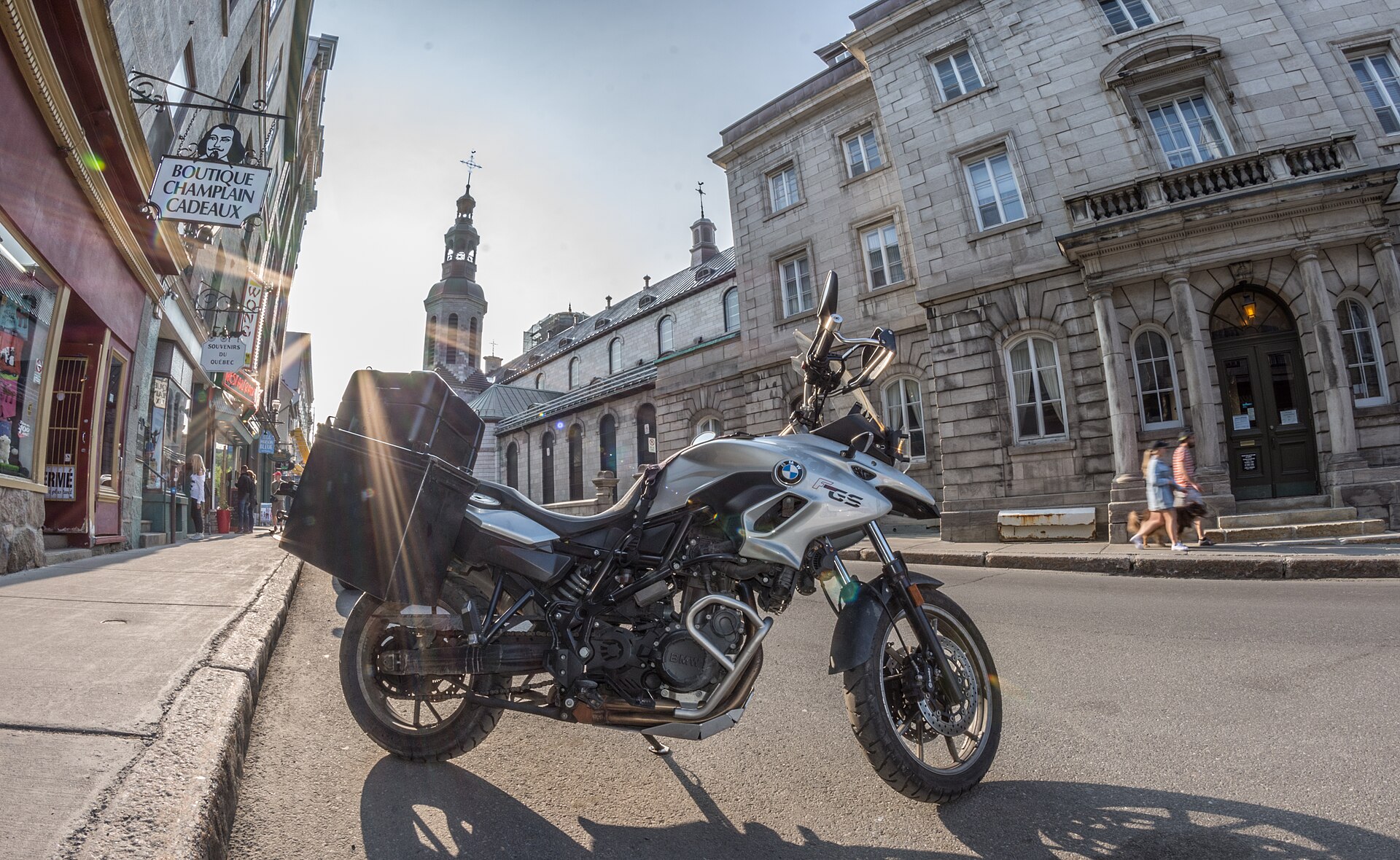
Main photo: a BMW GS with luggage in Old Québec (illustration photo, not my bike). Photo: Wilfredor, Wikimedia Commons, CC BY-SA 4.0 licence.
Sources
- CAA-Quebec: International Driving Permit
- CAA-Quebec: driving across the USA, essential insurance tips
- SAAQ: in the event of an accident outside Québec
- Québec.ca: stays outside Québec (RAMQ)
- UK Government: ETA
- U.S. Customs and Border Protection: I-94
- CBSA: personal exemptions when returning to Canada