Yamaha sold 4.25 million motorcycles in nine months (and they’re not the ones you think)

Yamaha just released its results for the first nine months of 2026, and the numbers are big. According to Yamaha’s investor presentation, 4.253 million motorcycles were sold worldwide between January and September. That’s 11% more than the same period in 2025 (3.82 million), or roughly 433,000 more bikes!
The real question for those of us who ride big bikes and travel on them: does any of this matter to us? Yes, more than you’d think.
Key points
- Yamaha sold about 4.25 million motorcycles from January to September 2026, up 11% from 2025. Nearly four out of five in Asia.
- Revenue rose 20%, helped by price increases and a weak yen.
- Those profits fund the big touring bikes we love, like the Ténéré 700 and Tracer 9 GT.
Where do Yamahas sell?
Not where you’d expect. Asia bought 3.357 million motorcycles, 79% of the total, up 14%. Vietnam jumped 61%, India 33% and Thailand 23%. Indonesia and the Philippines each grew 5%.
And here at home? North America posted the biggest percentage gain (+27%), but on a small base: from 63,000 to 80,000 bikes. That’s less than 2% of Yamaha’s worldwide sales. Europe grew 2% and Japan fell 19%. In short, nearly four out of five Yamahas are sold in Asia.
Why revenue is up so much
Sales rose 11%, but motorcycle revenue rose 20%: 1.44 trillion yen, about 12.9 billion Canadian dollars (US$9 billion). Operating profit climbed even faster, from 94 to 175 billion yen (about C$1.6 billion), up 86%.
How? Yamaha says so itself: price increases and exchange rates. The yen is weak. From January to September, one US dollar was worth 159 yen on average, 11 yen more than a year earlier (and the euro gained 18 yen). So when Yamaha sells a bike in dollars or euros and brings the money home to Japan, it gets more yen for the same bike. Part of the jump isn’t more bikes, it’s currency conversion! Add the price increases, and the margin goes from 7.8% to 12.1%, despite more expensive raw materials.
What it means for motorcycle travel
Let’s be honest: motorcycle touring isn’t what’s booming here. But the link to our bikes is direct. Developing a new engine, new electronics or a new chassis costs a fortune, and then you still need testing, homologation and production. A bike like the Ténéré 700 or the Tracer 9 GT doesn’t sell in the millions. Profits made elsewhere pay for a good part of their development.
The more money Yamaha makes, the more it can afford new touring bikes, new rider aids and new engines. So where does that money come from?
Which bikes are actually selling?
Not R1s, MT-09s or Ténéré 700s. In Southeast Asia, a motorcycle is the family car. People use it to get to work, make deliveries, drop the kids off and squeeze through traffic. What matters is price, fuel economy and reliability, not horsepower. So scooters and small bikes lead the way, with the NMAX as the star model. Yamaha doesn’t publish sales by model, but the picture is clear: small, practical machines keep the company running. Nobody crosses a continent on a 155 cc scooter (well, almost nobody!), but they’re the ones paying for our big bikes.
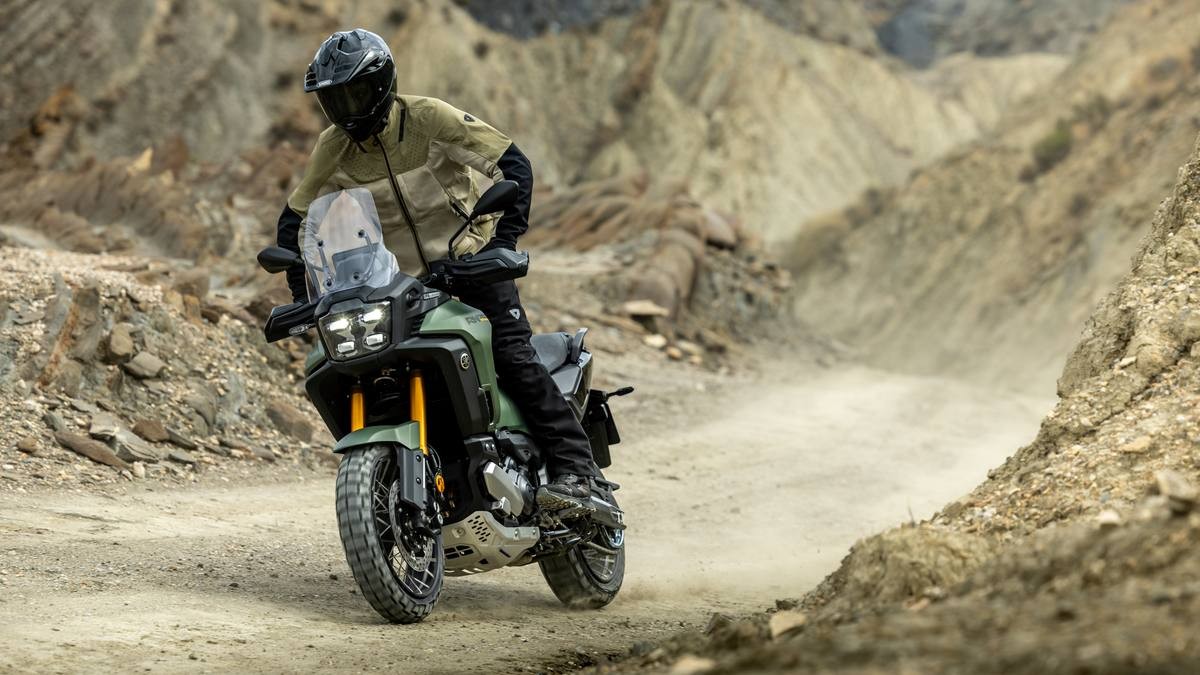
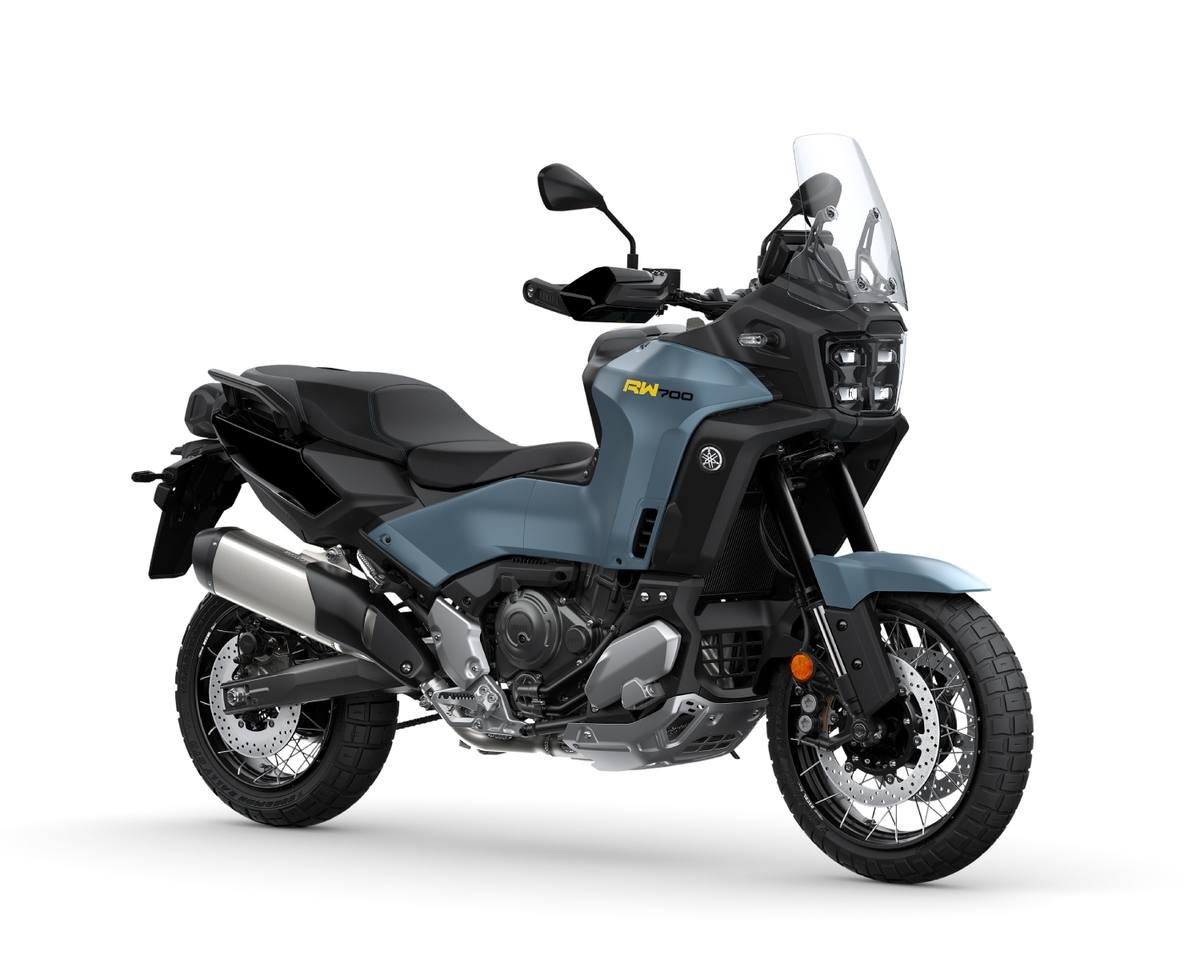
And Yamaha is starting to bring its two worlds together. At EICMA in Milan this month, it unveiled the RW700 (the one in the photos): an adventure scooter with the same parallel-twin engine as the Ténéré 700. Asian scooter know-how, with our touring engine. Pricing and release dates haven’t been announced yet. Yamaha also showed two electric scooters, the NMAX E and XENTER E, built in Vietnam and expected in Europe in 2027.
Keeping both feet on the ground
It’s not all good news. Japan is shrinking, Europe is barely moving, and part of the profit comes from pricing and exchange rates, not just sales. Still, Yamaha heads into year-end with real momentum, and the lesson applies to the whole industry: the bikes we dream about exist because millions of small machines keep the lights on.
Next time I pass a scooter in town, I’m giving it a wave. It might be paying for part of my next touring bike!
Frequently asked questions
How many motorcycles did Yamaha sell in 2026?
About 4.25 million from January to September 2026, up 11% from 2025.
Where does Yamaha sell the most motorcycles?
In Asia, with 79% of sales. Vietnam (+61%) and India (+33%) saw the biggest gains.
What is the Yamaha RW700?
An adventure scooter unveiled at EICMA 2026, powered by the Ténéré 700’s 690 cc parallel-twin.
Ride safe!
Photos
Main photo: the Yamaha RW700 Explore, an adventure scooter unveiled at EICMA 2026. Yamaha press photos.
Sources
- Yamaha Motor, results for the first nine months of 2026 (November 6, 2026) and investor presentation.
- TopSpeed, “Yamaha Sold 4.25 Million Motorcycles In Nine Months” (November 16, 2026).
- Autocar India, Yamaha RW350, RW700, Xenter E and NMax E at EICMA 2026.